











The sudden, persistent throb of a headache can feel like a frustrating interruption—a confusing signal from your body that’s difficult to interpret. You may find yourself wondering what type of headache you’re experiencing, whether it’s a sign of something more serious, or how to break the cycle of recurring pain. This uncertainty can be as draining as the pain itself, leaving you searching for a clear and sustainable path forward.
Consider this your definitive guide to finding that clarity. We believe that understanding your body is the foundational first step toward true wellness. Together, we will navigate the science behind different headache types, uncover their root causes, and empower you with a holistic framework for lasting relief. You will learn not only how to find immediate comfort but also how to cultivate the alignment in your life that prevents future pain. Let’s begin your journey from symptom management to a state of thriving, whole-person health.
Key Takeaways
- Gain clarity by understanding the foundational difference between headaches as the primary condition versus those that signal an underlying issue.
- A simple tracking method can help you uncover the root causes of your personal headache patterns, which is the first step toward lasting relief.
- Discover how to cultivate resilience through a holistic approach that synergizes targeted treatments with proactive lifestyle adjustments.
- Understand the clear signs that indicate when professional evaluation is necessary, providing you with confidence and peace of mind.
The Foundational Guide to Primary Headache Types
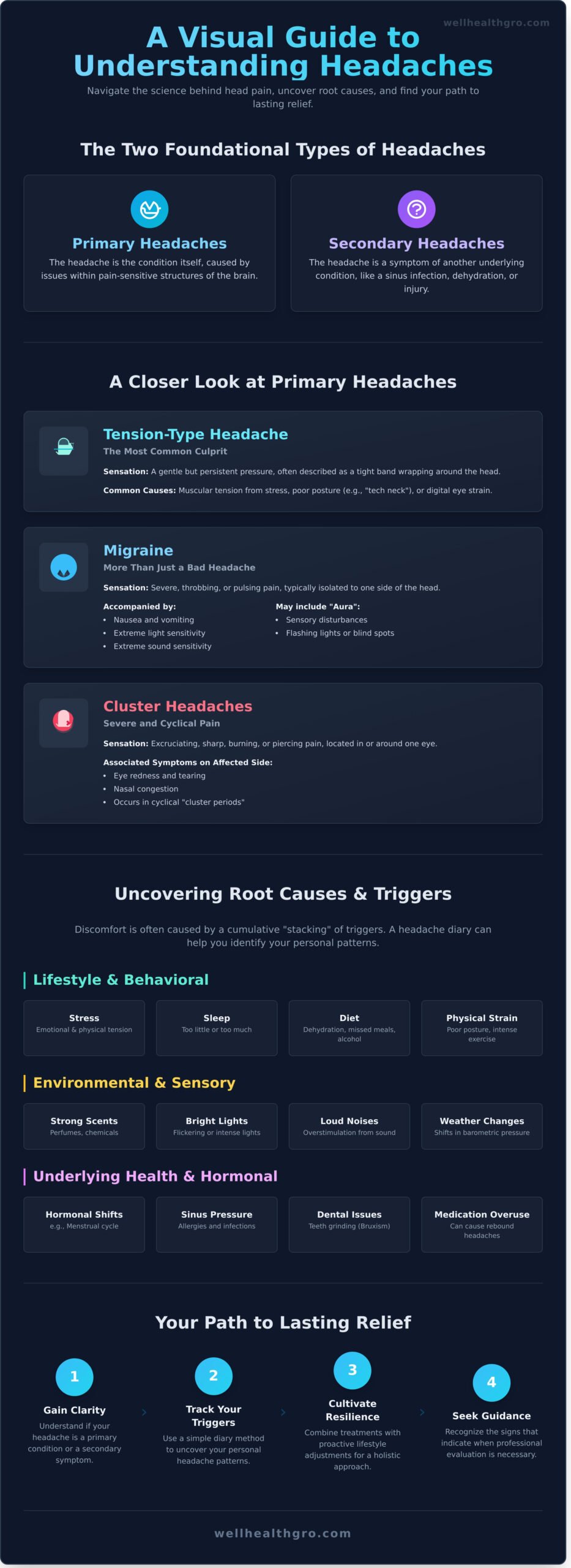
To truly cultivate relief and restore your body’s natural alignment, we must first understand the landscape of head pain. Not all instances of a headache are the same; they are broadly categorized into two foundational groups: primary and secondary. A secondary headache is a symptom of an underlying condition, such as a sinus infection or dehydration. In contrast, a primary headache is the condition itself, caused by overactivity or issues within the pain-sensitive structures of the brain. This distinction is the cornerstone of effective management, and this article provides a foundational guide to primary headache types to empower your wellness journey.
Understanding which type you experience is the first step toward finding targeted, sustainable relief. Let’s explore the three most common primary headaches.
Tension-Type Headaches: The Most Common Culprit
Imagine a gentle but persistent pressure wrapping around your head like a tight band. This is the classic sensation of a tension-type headache. As the most frequent type, it often stems from the daily stressors that disrupt our equilibrium, including muscular tension from poor posture or digital eye strain. While typically not severe enough to stop daily activities, they can be episodic (occurring occasionally) or become chronic, signaling a deeper imbalance that needs attention.
Migraine: More Than Just a Bad Headache
A migraine is a complex neurological event, not merely intense head pain. It commands your full attention with a severe, throbbing pain that often isolates to one side of the head. This experience is frequently accompanied by a cascade of other symptoms that demand rest in a quiet, dark space, including:
- Nausea and vomiting
- Extreme sensitivity to light (photophobia) and sound (phonophobia)
Some individuals also experience an “aura”—a series of sensory disturbances like flashing lights or blind spots—before the pain begins. Common triggers range from hormonal changes and certain foods to disruptions in your sleep cycle.
Cluster Headaches: Severe and Cyclical Pain
While relatively rare, the cluster headache is known for its excruciating severity. The pain is often described as a sharp, burning, or piercing sensation located in or around one eye. These debilitating attacks occur in cyclical patterns known as “cluster periods,” which can last for weeks or months. Associated symptoms, such as eye redness, tearing, and nasal congestion on the affected side of the face, are common. The distinct, cyclical nature of this pain requires a highly specific approach to management and care.
Uncovering the Root Causes and Triggers of Headaches
True relief begins not with managing symptoms, but with understanding their source. Identifying your personal triggers is a foundational step toward prevention and reclaiming your vitality. We encourage you to cultivate self-awareness by keeping a detailed headache diary, noting your activities, diet, and environment. Often, discomfort isn’t caused by a single event but by a cumulative effect—a “stacking” of several smaller triggers that overwhelm your system’s threshold.
Lifestyle and Behavioral Triggers
Your daily habits create the primary landscape for your well-being. These foundational elements can either nourish your resilience or contribute to pain. Consider how the following factors influence your body’s alignment and equilibrium:
- Stress: Both emotional tension and physical strain can trigger tension headaches and migraines by causing muscles in the neck and scalp to contract.
- Sleep: Disrupted sleep cycles are a common culprit. Both insufficient rest and oversleeping can upset your body’s natural rhythm and provoke a headache.
- Diet: Nutritional imbalances matter. Dehydration is a primary cause, as are missed meals that lead to low blood sugar. Specific foods, alcohol (especially red wine), and caffeine withdrawal can also be significant triggers.
- Physical Strain: Poor posture, particularly “tech neck” from prolonged screen use, creates chronic tension in the upper back and neck. Intense, sudden exercise can also be a trigger for some individuals.
Environmental and Sensory Factors
Your nervous system is in constant dialogue with your surroundings, and for many, sensory overstimulation is a significant trigger. Potent stimuli such as strong perfumes, chemical scents, bright or flickering lights, and even dramatic shifts in barometric pressure or temperature can disrupt your internal harmony and provoke a response.
Underlying Health and Hormonal Influences
Sometimes, a headache is a signal from your body about a deeper imbalance. These internal factors require careful attention to resolve the root cause. Key influences include hormonal fluctuations tied to the menstrual cycle, sinus pressure from allergies, and dental issues like nocturnal teeth grinding (bruxism). It’s also critical to recognize medication overuse, where frequent use of pain relievers can cause rebound headaches. Understanding When to Seek Professional Care for a Headache is essential, as persistent pain may indicate an underlying condition that requires a clinical diagnosis.
When to Seek Professional Care for a Headache
While the vast majority of headaches are benign and manageable, understanding your body’s signals is a foundational part of your wellness journey. Most often, a headache is simply your body communicating a need—for rest, hydration, or a break from stress. However, it’s crucial to recognize when the message is more urgent. Trusting your instincts and knowing when to seek professional guidance is an act of self-care that empowers you to cultivate lasting health and alignment.
Red Flag Symptoms: When to Seek Immediate Medical Attention
Certain symptoms are rare but require prompt evaluation in an emergency setting to rule out serious underlying conditions. If you experience any of the following, please seek immediate medical care:
- A sudden, severe headache that feels like the “worst headache of your life” (often called a ‘thunderclap’ headache).
- A headache accompanied by a high fever, stiff neck, mental confusion, seizures, or a rash.
- A headache that develops after a head injury, fall, or accident, especially if it worsens over time.
- Pain that occurs with vision loss, weakness on one side of the body, numbness, or difficulty speaking or understanding speech.
When to Schedule an Appointment with Your Doctor
For headache patterns that are not an emergency but are impacting your quality of life, partnering with a healthcare provider is a vital step toward finding a sustainable solution. By working together, you can explore the full spectrum of options for Cultivating Relief: Holistic and Medical Approaches to Management and get to the root cause of your discomfort. Consider scheduling an appointment if:
- Your headaches have become noticeably more frequent or severe.
- Over-the-counter medications no longer provide relief, or you find yourself needing them more than twice a week.
- The pain consistently interferes with your work, sleep, or daily activities.
How a Doctor Can Help Diagnose Your Headaches
A thorough diagnosis is the first step toward effective and personalized treatment. Your doctor will act as your partner, listening carefully to your experiences to understand your unique headache profile. This typically involves a detailed discussion of your symptoms and medical history, followed by a physical and neurological examination. In some cases, imaging tests like a CT scan or MRI may be recommended to provide a clearer picture. This collaborative process ensures your treatment plan is built on a solid, evidence-based foundation.
Finding the right path forward begins with a conversation. Speak with one of our compassionate doctors today.
Cultivating Relief: Holistic and Medical Approaches to Management
Finding lasting relief from a headache is rarely about a single solution. Instead, it’s about cultivating a personalized ecosystem of care that addresses your unique physiology and lifestyle. The most effective management plans create a synergy between immediate comfort measures, targeted medical treatments, and foundational mind-body practices. This integrated approach allows you to not only manage pain but also to build resilience from the ground up.
Immediate At-Home Care and Comfort Measures
When pain strikes, these simple, foundational actions can provide immediate comfort and help restore your body’s alignment. They are your first line of gentle, effective defense.
- Reduce Sensory Input: Rest in a quiet, dark room to calm an overstimulated nervous system.
- Apply Temperature Therapy: A cold compress on the forehead can numb the area, while a warm compress on the neck or back of the head can ease tense muscles.
- Nourish and Hydrate: Dehydration is a common trigger. Drink plenty of water throughout the day to support optimal function.
- Gentle Movement: Perform slow, deliberate neck stretches to release tension in the neck and shoulder muscles, which often contributes to pain.
Medical Treatments for Acute and Chronic Headaches
While lifestyle strategies are paramount, modern medicine offers powerful tools for both acute and chronic headache management. Partnering with your healthcare provider is key to finding the right support for your specific needs, whether you need occasional relief or a long-term preventive strategy.
- Over-the-Counter (OTC) Relievers: Medications like ibuprofen and acetaminophen can be effective for tension-type headaches.
- Prescription Medications: For migraines, doctors may prescribe triptans or other targeted drugs designed to stop an attack in its tracks.
- Preventive Therapies: For those experiencing frequent episodes, a physician may recommend daily medications to reduce the frequency and severity of attacks.
Complementary and Mind-Body Therapies
To truly thrive, we must look beyond symptom management and address underlying imbalances. Complementary therapies are designed to restore harmony and empower you with greater control over your body’s responses, creating a strong foundation for lasting wellness.
- Acupuncture and Massage: These physical therapies can release muscle tension, improve circulation, and help regulate pain signals.
- Biofeedback: This technique teaches you to control bodily processes like muscle tension and heart rate, offering a powerful way to manage stress responses.
- Mindfulness and Meditation: Regular practice can lower stress levels and change your perception of pain, cultivating a sense of calm and control.
- Nutritional Support: Some studies suggest supplements like magnesium or riboflavin may help. Always consult with your healthcare provider before adding new supplements to your routine.
By weaving these strategies together, you create a robust and responsive plan for wellness. To learn more about building your foundational health, explore the resources at wellhealthgro.com.
Proactive Prevention: Building a Headache-Resistant Lifestyle
True wellness moves beyond simply reacting to symptoms. It involves cultivating a lifestyle that builds resilience from the ground up. Rather than waiting for a headache to strike, you can proactively create an internal environment where they are less likely to form. This isn’t about drastic overhauls; it’s about the powerful synergy of small, sustainable adjustments. Consistency is your greatest ally on this journey toward lasting relief and vitality.
Foundational Nutrition and Hydration Habits
Nourish your body with intention to create stability. Maintain consistent blood sugar levels by eating balanced meals rich in protein, healthy fats, and complex carbohydrates at regular intervals. Prioritize hydration as a non-negotiable daily practice, sipping water steadily throughout the day. Mindfully identify personal food triggers, such as aged cheeses or artificial sweeteners, not to create restriction, but to empower you with knowledge and choice.
Optimizing Your Sleep and Rest
Deep, restorative sleep is a cornerstone of neurological health. The optimization of your rest begins with a consistent sleep schedule, even on weekends, to regulate your body’s internal clock. Cultivate a calming, screen-free bedtime routine to signal to your mind that it’s time to unwind. Ensure your sleep sanctuary is dark, quiet, and cool, creating the ideal conditions for cellular repair and mental clarity.
Mindful Stress Management and Movement
Your body holds a delicate balance between tension and release. Gentle, regular movement, such as brisk walking or yoga, can significantly reduce the frequency of a tension-related headache by releasing endorphins and easing muscle strain. Integrate simple stress-reduction techniques into your day, like a few moments of deep, diaphragmatic breathing. Take frequent breaks from screens to stretch your neck and rest your eyes, and mindfully craft a schedule that honors your capacity and prevents burnout.
By weaving these foundational practices into the fabric of your daily life, you are not just preventing pain—you are actively building a more aligned and resilient self. To explore more resources for your wellness journey, visit us at wellhealthgro.com.
Cultivating a Life Beyond Headache Pain
Navigating the complexities of head pain can feel overwhelming, but clarity and relief are within your reach. As we have explored, understanding the foundational differences between headache types is the first critical step. Lasting wellness is not found in a temporary fix but is cultivated through a holistic approach—one that harmonizes proactive lifestyle choices with precise, expert-led care. This integrated strategy empowers you to move beyond simply managing symptoms and toward resolving the root cause of your discomfort.
You do not have to build this new foundation alone. With access to our experienced neurologists and specialists, we partner with you to design personalized, patient-centered treatment plans. We provide the holistic guidance necessary to address your unique headache triggers and foster long-term wellness. Your journey to a clearer, more vibrant life is waiting.
Begin your journey to lasting relief. Book an appointment today.
Frequently Asked Questions About Headaches
What is the difference between a headache and a migraine?
While all migraines are headaches, not all headaches are migraines. A typical headache involves mild to moderate pain, often on both sides of the head, without other major symptoms. In contrast, a migraine is a complex neurological event characterized by severe, throbbing pain, usually on one side. It is often accompanied by nausea, visual disturbances known as an aura, and extreme sensitivity to light and sound, requiring a more specialized approach to management.
Can dehydration cause a severe headache?
Absolutely. Dehydration is a common yet often overlooked root cause of a severe headache. When your body lacks sufficient fluids, your brain can temporarily contract, pulling away from the skull and triggering pain receptors. Cultivating a habit of consistent hydration is a foundational practice for neurological health and overall vitality. Prioritizing water intake throughout your day is a simple yet powerful strategy to nourish your body and prevent this type of discomfort before it starts.
Is it safe to take pain relievers every day for chronic headaches?
Daily use of over-the-counter pain relievers is not a sustainable or recommended strategy for chronic headaches. This practice can lead to a condition known as a “medication-overuse headache,” where the relief medication itself begins to cause pain. True wellness comes from addressing the root cause, not merely silencing the symptom. We encourage you to partner with a healthcare provider to explore foundational strategies for long-term prevention and cultivate lasting alignment in your health.
How can I tell if my headache is caused by sinus problems?
A sinus headache presents with distinct symptoms centered on your facial structure. You will likely feel a deep, constant pain and pressure in your forehead, cheekbones, or the bridge of your nose. This discomfort often worsens when you bend forward and is typically accompanied by other sinus-related symptoms, such as nasal congestion, discharge, or a feeling of fullness in your ears. Differentiating this from other headache types is key to finding targeted and effective relief.
Can specific foods, like cheese or chocolate, really trigger headaches?
Yes, for many individuals, specific foods can act as triggers. Compounds like tyramine, found in aged cheeses and cured meats, or phenylethylamine in chocolate, can initiate the cascade of events leading to a headache or migraine. The best path forward is to become your own health detective. Cultivating awareness by keeping a detailed food and symptom journal can help you identify personal triggers, empowering you to make nourishing choices that support your well-being.
When should I consider seeing a neurologist for my headaches?
Seeking specialized care from a neurologist is a proactive step when your headaches change in character or intensity. You should schedule an appointment if you experience a sudden, severe “thunderclap” headache, if attacks become more frequent, or if they are accompanied by new neurological symptoms. These can include weakness, vision changes, confusion, or a stiff neck. A specialist can help identify the root cause and optimize your treatment plan for long-term health.