









That familiar, throbbing pressure behind your eyes is more than just a nuisance; it’s a disruption to your clarity and well-being. When you’re caught in a cycle of facial pain, congestion, and fatigue, it’s natural to question the source. Is this just a stubborn cold, a seasonal allergy, or the persistent discomfort of a sinus infection? This cycle of uncertainty and recurring symptoms can be exhausting, leaving you searching for lasting relief that feels just out of reach.
We believe in moving beyond temporary fixes to cultivate true, foundational wellness. This guide is designed to be your trusted companion on that journey. Here, we will illuminate the root causes of sinusitis, helping you distinguish its unique symptoms from other common ailments. You will discover a clear, holistic path forward-from effective home care strategies that nourish and soothe to the critical signs that indicate it’s time to seek professional guidance. Our goal is simple: to empower you with the knowledge to not only find immediate relief but to build a resilient foundation against future infections, allowing you to breathe freely and thrive.
Key Takeaways
- Understand that sinusitis is more than congestion-it’s an inflammatory response that signals a deeper imbalance within your system.
- Learn to decode your body’s signals by recognizing the full spectrum of symptoms, from obvious facial pressure to subtle fatigue.
- Move beyond temporary fixes by identifying the foundational triggers that may be causing your recurring sinus infection.
- Receive a clear guide on nourishing your body through recovery, from gentle home remedies to knowing when to seek professional care.
Understanding Sinusitis: More Than Just a Stuffy Nose
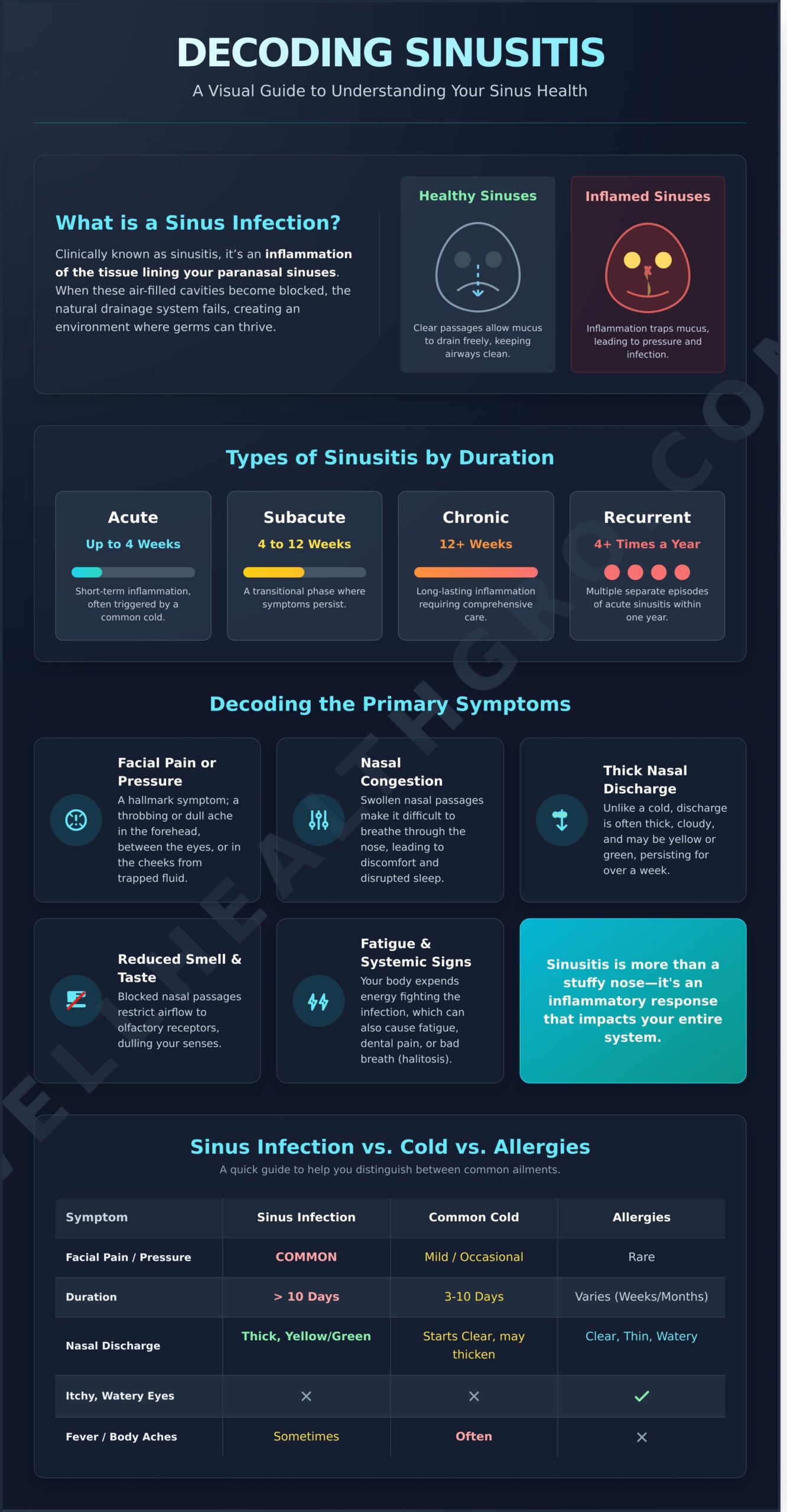
While many of us dismiss sinus pressure and congestion as a minor annoyance, a true sinus infection, known clinically as sinusitis, is a condition worthy of our attention. At its core, sinusitis-often asked as What is a sinus infection?-is an inflammation of the tissue lining your paranasal sinuses. These air-filled cavities behind your forehead, cheeks, and eyes are foundational to respiratory health. When functioning optimally, they produce a thin layer of mucus that traps dust and pollutants, which is then swept away to keep your airways clean and clear. When they become inflamed and blocked, this natural drainage system fails, creating an environment where germs can thrive.
Understanding the nature of your symptoms is the first step toward cultivating relief. While it’s a common condition, persistent sinusitis can significantly impact your energy, focus, and overall quality of life, moving far beyond a simple stuffy nose.
What Are the Different Types of Sinus Infections?
To effectively address your symptoms, it’s helpful to identify the type of sinusitis you may be experiencing. The primary classifications are based on duration:
- Acute Sinusitis: This is a short-term inflammation, typically triggered by a common cold or virus. Symptoms last up to four weeks and usually resolve with time and basic care.
- Subacute Sinusitis: Considered a transitional phase, symptoms here persist for 4 to 12 weeks, even with initial treatment attempts.
- Chronic Sinusitis: A more complex condition where inflammation and symptoms last for 12 weeks or longer, often requiring a more comprehensive treatment strategy.
- Recurrent Sinusitis: This involves experiencing four or more separate, documented episodes of acute sinusitis within a single year.
How a Sinus Infection Differs from a Common Cold
It’s easy to confuse the two, as they share symptoms like a runny nose and congestion. However, there are key distinctions. A common cold typically peaks and begins to improve within 7 to 10 days. A sinus infection often lingers or even worsens after this period. The hallmark symptoms that point more directly to sinusitis include persistent facial pain or pressure around the eyes and forehead and a reduced sense of smell. While yellow or green mucus can appear with both conditions, its persistence beyond a week is more indicative of sinusitis.
Decoding the Symptoms: Are Your Sinuses Trying to Tell You Something?
When your sinuses are inflamed, the experience goes far beyond a simple stuffy nose. It can feel like a constant, draining pressure that disrupts your focus, energy, and overall sense of well-being. We understand how debilitating this can be, and learning to interpret your body’s signals is the foundational first step toward finding alignment and relief. A sinus infection doesn’t just affect your nose; it impacts your entire system.
Primary Symptoms of Sinusitis
The discomfort from sinusitis arises when your sinus cavities become inflamed and blocked, preventing mucus from draining properly. This buildup creates a perfect environment for infection and leads to a cascade of distinct symptoms. Recognizing these signs is crucial for addressing the root cause.
- Facial Pain or Pressure: This is the hallmark symptom. The pressure you feel in your forehead, between your eyes, or in your cheeks is a direct result of trapped fluid and inflammation pressing against the sensitive sinus walls.
- Nasal Congestion or Obstruction: Swollen nasal passages make it difficult to breathe through your nose, often forcing you to breathe through your mouth, which can lead to a dry throat and disrupted sleep.
- Thick Nasal Discharge: Unlike the clear mucus of a common cold or allergies, a sinus infection often produces a thick, cloudy discharge that may be yellow or green.
- Reduced Sense of Smell and Taste: When nasal passages are blocked, airflow to the olfactory receptors is restricted, dulling your ability to smell and, consequently, to taste your food.
Beyond these primary indicators, you may also experience less obvious symptoms like fatigue as your body expends energy to fight the infection, dental pain from pressure on upper tooth roots, or even bad breath (halitosis) caused by postnasal drip.
Sinus Infection vs. Allergies vs. COVID-19: A Symptom Comparison
With overlapping symptoms, it can be challenging to know what you’re dealing with. This simple comparison can help bring clarity:
| Symptom | Sinus Infection | Allergies | COVID-19 / Flu |
|---|---|---|---|
| Facial Pain/Pressure | Common & Key Sign | Rare | Sometimes (headache) |
| Itchiness (Eyes/Nose) | Rare | Common & Key Sign | Rare |
| Fever & Body Aches | Sometimes (low-grade) | No | Common |
| Nasal Discharge | Thick, colored | Thin, clear, watery | Varies (often clear) |
Symptoms in Children
In young children, symptoms can be harder to pinpoint and may present differently. Instead of complaining about facial pain, a child might show persistent irritability, have difficulty feeding, or develop a nasal-sounding voice. If your child has cold-like symptoms that last more than 10 days without improving, it’s wise to consult a pediatrician. For a clear overview of sinus infection symptoms and treatment pathways, the UK’s National Health Service (NHS) offers excellent, evidence-based guidance for both adults and children.
Exploring the Root Causes and Risk Factors of Sinus Infections
To truly find lasting relief, we must look beyond the symptoms and address the underlying source. A sinus infection is rarely a standalone event; it is often the culmination of other factors that disrupt the delicate ecosystem of your nasal passages. This root-cause approach is foundational to cultivating true, long-term sinus health. By understanding what triggers inflammation and what makes you more susceptible, you can move from merely managing discomfort to actively nourishing your body’s natural defenses.
Common Triggers for Sinusitis
Sinusitis begins when your nasal passages become inflamed and blocked, creating an ideal environment for germs to thrive. The initial trigger for this inflammation can come from several sources:
- Viral Infections: The vast majority of sinus issues start here. The common cold is the number one culprit, causing swelling in the sinus lining that obstructs mucus drainage.
- Bacterial Infections: When a viral infection lingers, it can create an environment ripe for bacterial growth, leading to a secondary, and often more severe, bacterial sinusitis. Understanding the different causes of sinus infections is key to seeking the right treatment.
- Allergies: For many, chronic inflammation is the root cause. Persistent exposure to allergens like pollen, dust mites, or pet dander keeps the sinus passages in a constant state of irritation, making them vulnerable to infection.
- Fungal Infections: Though less common, fungal sinusitis can occur, primarily affecting individuals with compromised immune systems.
Risk Factors That Increase Your Susceptibility
While triggers initiate the problem, certain underlying factors can make you more prone to developing a sinus infection. Addressing these risk factors is a powerful step toward prevention and resilience.
- Structural Issues: A deviated septum or the presence of benign growths called nasal polyps can physically block your sinus passages, impeding proper drainage and creating stagnant conditions.
- A Weakened Immune System: Your body’s ability to fight off initial viral triggers is foundational. Conditions or medications that suppress immune function can leave you more vulnerable.
- Environmental Irritants: Exposure to smoke, strong chemicals, and air pollution damages the tiny hairs (cilia) in your sinuses that help sweep out mucus and debris, disrupting their natural cleaning mechanism.
A Holistic Path to Relief: From Home Care to Medical Treatment
Navigating recovery from a sinus infection is about more than managing symptoms; it’s an opportunity to nourish your body and cultivate resilience. This guide offers a layered approach to healing, beginning with foundational self-care and progressing to targeted medical support. By understanding your options, you can create a clear, sustainable path toward relief and help your body find its natural alignment.
Foundational Home Remedies for Sinus Comfort
Begin your healing journey with these gentle yet powerful practices designed to create an optimal environment for recovery. These foundational steps support your body’s innate ability to heal.
- Hydration and Steam: Keep your body well-hydrated with water and herbal teas to help thin mucus. Inhaling steam from a hot shower, a bowl of hot water, or a humidifier moisturizes nasal passages and promotes drainage.
- Saline Nasal Rinses: Using a neti pot or a sterile saline spray is a highly effective way to flush out mucus, allergens, and irritants, cleansing the sinus cavities and reducing congestion.
- Warm Compresses: Soothe facial pain and pressure by applying a warm, damp cloth to your forehead, cheeks, and nose. This simple act can ease discomfort and encourage sinuses to drain.
- Rest and Elevation: True healing requires energy. Prioritize rest to allow your immune system to focus on fighting the infection. When you lie down, prop your head up with pillows to use gravity to your advantage, facilitating sinus drainage.
Over-the-Counter (OTC) Support
For more pronounced symptoms, certain over-the-counter medications can provide targeted, short-term relief. Think of them as supportive tools, not long-term solutions.
- Decongestants: Available as pills or nasal sprays, these can shrink swollen nasal passages. However, nasal decongestant sprays should only be used for 3-5 days to avoid rebound congestion, where symptoms worsen after stopping the medication.
- Pain Relievers: Non-steroidal anti-inflammatory drugs (NSAIDs) like ibuprofen or naproxen can reduce both pain and inflammation. Acetaminophen is another effective option for headache and facial pain.
- Nasal Steroid Sprays: Especially useful if your sinusitis is linked to allergies, these sprays reduce inflammation directly in the nasal passages.
When Medical Intervention is Necessary
While many viral sinus infections resolve on their own, persistent symptoms may signal a secondary bacterial infection that requires professional care. A healthcare provider can determine the root cause and guide your treatment. Antibiotics are reserved for confirmed or highly suspected bacterial cases and are not effective against viruses. If prescribed, it is crucial to complete the full course to ensure the infection is fully resolved. For severe inflammation, a doctor may prescribe oral corticosteroids.
Unsure which path is right for you? Discuss your symptoms with a doctor.
When to Seek Medical Care for a Sinus Infection
While many sinus issues can be managed effectively at home, cultivating an awareness of when to seek professional guidance is a foundational step in your wellness journey. Viewing a consultation not as a last resort, but as a proactive choice, empowers you to find alignment and accelerate your path to recovery. If your body is signaling that it needs more support, listening is key.
Clear Signs You Should Consult a Healthcare Professional
Your body provides clear signals when a common ailment may be evolving into something more complex. Pay close attention to these indicators that professional medical advice is needed:
- Persistent Symptoms: Your symptoms last for more than 10 days without any sign of improvement.
- High Fever: You have a persistent high fever (above 102°F or 39°C) that lasts for three or more days.
- Worsening Condition: You experience a “double sickening” pattern, where you begin to recover and then your symptoms suddenly return with greater intensity.
- Severe Symptoms: You develop a severe headache, facial pain, changes in your vision, or swelling around your eyes. These warrant immediate attention.
Preparing for Your Doctor’s Appointment
To cultivate a productive dialogue with your healthcare provider, a little preparation goes a long way. Arriving with clear information helps them understand the full picture of your health. Before your visit, consider taking these simple steps:
- Keep a brief log of your symptoms, noting when they started and what makes them better or worse.
- List any over-the-counter medications, supplements, or home remedies you have tried.
- Be ready to discuss your complete medical history, including any known allergies or previous sinus issues.
What to Expect During Diagnosis
Understanding the diagnostic process can help ease any anxiety about your appointment. To determine the root cause of your discomfort, your doctor will likely perform a physical exam, which may include gently looking inside your nose with a light. They will discuss your symptom history to understand the progression of your sinus infection. In most cases, this is enough for a clear diagnosis. For chronic or particularly severe cases, they may recommend a referral to a specialist or imaging like a CT scan to get a more detailed view of your sinuses.
Your health is your greatest asset. Take the guesswork out of your health. Book an online appointment today.
Embrace Your Journey to Lasting Sinus Wellness
Navigating the discomfort of a sinus infection requires more than temporary fixes; it demands a foundational understanding of its specific symptoms and diverse root causes. As we’ve explored, true, sustainable relief blossoms from a holistic approach. This integrated path honors the synergy between mindful self-care at home and the decisive wisdom to seek professional guidance when your body signals the need for deeper support. Lasting wellness is not about a quick fix, but about cultivating a resilient system.
You are the architect of your health, and you don’t have to build alone. With Well Health Gro, you gain a dedicated partner in your wellness journey. Our experienced online doctors provide personalized, patient-centered treatment plans, offering holistic guidance that addresses the core of your discomfort and helps you thrive. We are here to help you move beyond symptom management toward foundational, long-term health. Ready to cultivate lasting sinus health? Book your online consultation today.
Frequently Asked Questions About Sinus Infections
How long is a sinus infection contagious?
A sinus infection itself, meaning the inflammation in your sinuses, is not contagious. However, the foundational cause-most often a virus like the common cold-is. You are typically contagious for as long as you have viral symptoms, such as sneezing and coughing. This period usually lasts for a few days before your sinus symptoms peak and can extend for up to two weeks. Focusing on hygiene helps prevent spreading the underlying virus to others.
Can a sinus infection go away on its own?
Yes, your body is designed to heal. The vast majority of sinus infections are viral and will resolve on their own within 7 to 10 days without medical intervention. The key is to cultivate an environment for recovery through rest, hydration, and supportive care. This allows your immune system to effectively clear the virus and reduce inflammation. Trusting this natural process is a cornerstone of holistic wellness and helps you thrive through recovery.
What is the fastest way to get rid of sinus pressure at home?
To achieve rapid relief from sinus pressure, focus on promoting drainage and reducing inflammation. Try inhaling steam from a hot shower or a bowl of water to moisten sinus passages. Applying a warm, damp cloth to your face can soothe discomfort. Additionally, using a saline nasal spray or a neti pot helps to flush out mucus and irritants, restoring a sense of balance and clarity to your nasal pathways.
Are antibiotics always necessary for a sinus infection?
Antibiotics are not always the answer and should be used mindfully. Since most sinus infections are caused by viruses, antibiotics-which only target bacteria-are ineffective. A discerning approach is essential to avoid contributing to antibiotic resistance. If symptoms of your sinus infection persist beyond 10 days, worsen after initial improvement, or include a high fever, a doctor can help determine if a bacterial cause warrants a prescription.
What are the warning signs of a serious, complicated sinus infection?
While most cases are mild, it’s vital to recognize signs of a more serious condition. Seek immediate medical attention if you experience a persistent high fever (above 102°F or 39°C), a severe headache or facial pain, vision changes like double vision, swelling or redness around your eyes, or mental confusion. These symptoms may indicate that the infection has spread beyond the sinuses, requiring urgent evaluation and care.
Can flying on a plane make my sinus infection worse?
Yes, flying with an active sinus infection can significantly worsen your symptoms. The changes in cabin pressure during ascent and descent create a stressful environment for already inflamed sinuses. Your blocked nasal passages prevent pressure from equalizing properly, which can lead to intense pain, dizziness, and even potential damage to your eardrums. It is often best to postpone air travel until you have recovered to ensure your comfort and well-being.
What is the difference between sinusitis and a sinus headache?
Understanding this distinction is key to addressing the root cause. Sinusitis is the foundational condition-the inflammation or swelling of the tissue lining your sinuses. A sinus headache, on the other hand, is a direct symptom of that inflammation. The headache is the feeling of pain and pressure in your forehead, cheeks, and behind your eyes that results from the trapped mucus and swelling caused by sinusitis. Treating sinusitis helps resolve the headache.