




High blood pressure, also known as hypertension, is often called the “silent killer” because it typically develops without noticeable symptoms of hypertension. Many people in Florida and throughout the United States may have high blood pressure for years and not even know about it. Unfortunately, untreated hypertension can significantly increase the heart disease risk, stroke risk, kidney damage, and other serious health complications.
At WellHealthGro, we believe that recognizing the early signs of high blood pressure and understanding risk factors can empower individuals to take preventive healthcare action before complications arise.
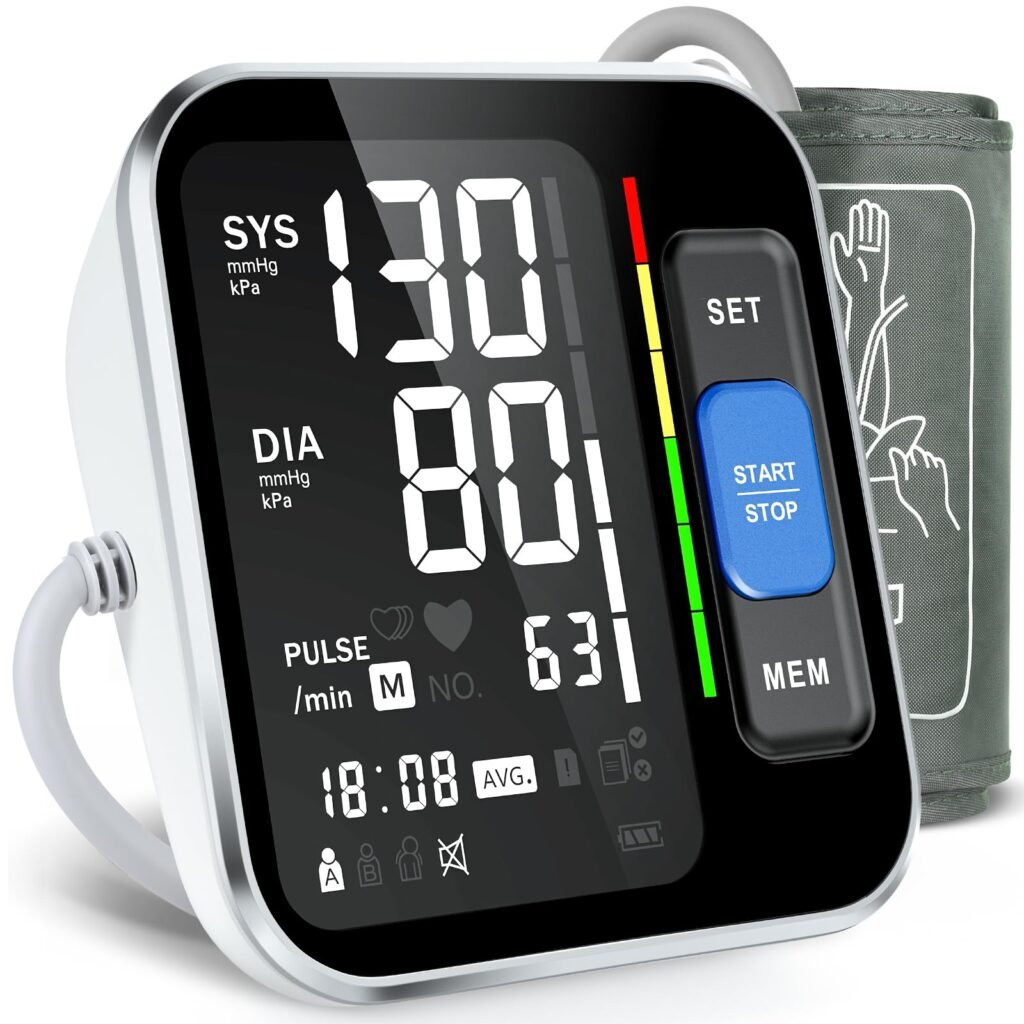
Blood Pressure Level
Blood pressure is the force of blood pushing in the inside of your arteries and plays a major role in cardiovascular health. It is recorded as two numbers:
Now the normal blood pressure according to the general medical practice is generally about 120/80mmHg. Readings consistently above 130/80 mmHg may indicate hypertension and require blood pressure monitoring.
Chronic high blood pressure can quietly damage:
Blood pressure monitoring is even more essential in Florida where heat, dehydration, high sodium diets and stress may be some of the elements of such lifestyle that can lead to cardiovascular strain and affect overall Florida health.
Though there are no observable signs to many people, some of the early signs of high blood pressure may include:
1. Frequent Headaches
Recurring headaches especially in the morning can be linked to high blood pressure levels and symptoms of hypertension.
2. Feeling lightheaded and dizzy
Sometimes it is possible to feel a feeling of instability or faintness in case of a great variation of blood pressure.
3. Blurred Vision
Changes in vision may indicate damage to blood vessels in the eyes due to prolonged hypertension.
4. Shortness of Breath
A breathing, which is strained in with slight exercise, can be a sign that the heart is having some trouble related to cardiovascular health.
5. Chest Discomfort
Chest tightness or pain is a symptom that is not always present, but must not be disregarded because it may increase heart disease risk.
6. Fatigue or Confusion
Abnormal fatigue or the lack of concentration skills may sometimes be linked with the strain on the cardiovascular system caused by hypertension.
It’s important to note that these symptoms do not always confirm high blood pressure. It should however be noted that when they become very common then they should be medically checked through proper blood pressure screening.
The awareness of the risk factors for hypertension can possibly lead to you knowing whether you are at a greater risk. Common contributors are:

You must consult the doctor immediately in case you have:
These could be signs of a hypertensive crisis or stroke risk and require emergency treatment. For routine concerns, scheduling a blood pressure screening with a healthcare provider is the best preventive healthcare step.
Home blood pressure monitoring is an effective way to track changes and detect hypertension early. To ensure accurate readings:
Patterns can easily be taken through regular blood pressure monitoring that would help in early intervention and high blood pressure prevention.
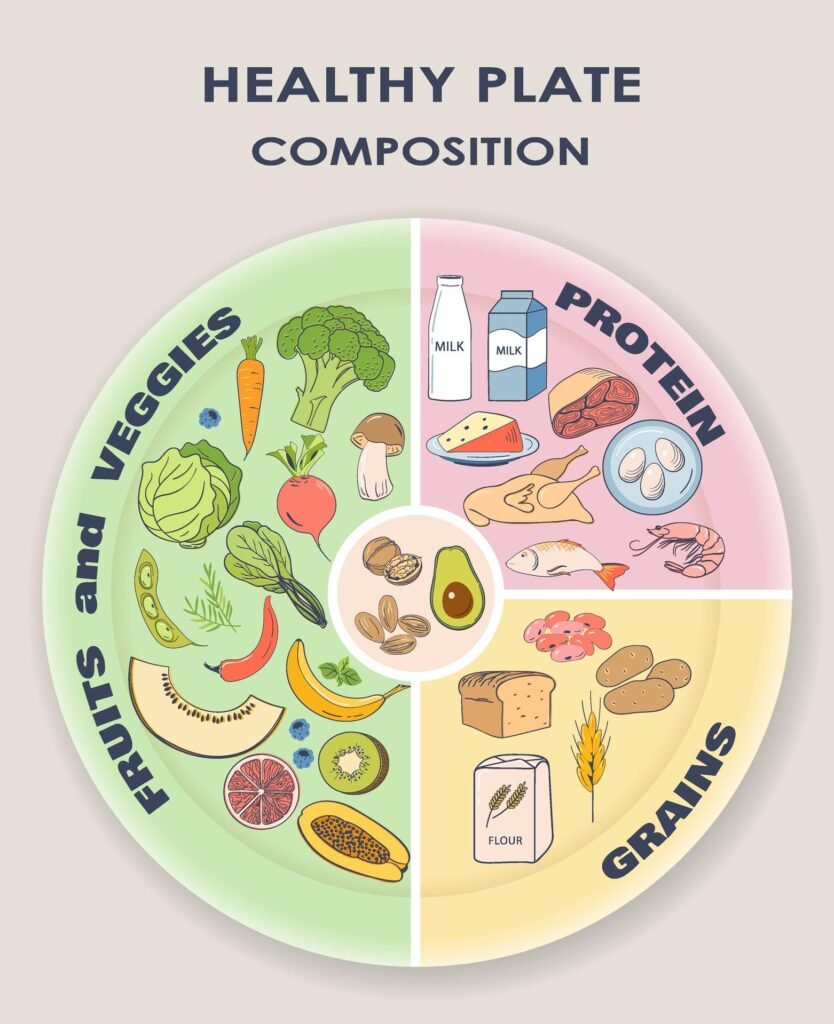
Watch out fruits and veggies, low protein foods and whole grains as part of high blood pressure prevention. Restrict intake of sodium and do not eat processed food.
1. Maintaining a Healthy Diet
Look out for fruits and veggies, low protein foods and whole grains. Limit consumption of sodium and refrain consumption of processed food to support cardiovascular health.
2. Staying Physically Active
Aim to have at least 150 minutes of moderate exercising every week to reduce heart disease risk.
3. Managing Stress
Deep breathing, yoga or meditation is examples of relaxation skills that help in high blood pressure prevention.
4. Staying Hydrated
This is achieved through appropriate hydration especially in states that are very hot such as Florida to ensure cardiovascular health stability.
5. Restricting Alcohol and Non Tobacco
It is a great-added risk of both increasing high blood pressure and heart disease risk.
Since hypertension is an ailment that tends to occur without any signs, it is pivotal that blood pressure screening be conducted annually. Early diagnosis will give one a chance to advise on the change in lifestyle and treat it using medication before the serious issues develop.
In WellHealthGro, we also serve the cause of preventive healthcare and valid medical information so that individuals could make their health-related decisions and protect their cardiovascular health.
Can young adults develop high blood pressure?
Yes. Whereas it has been observed that the possibility of developing hypertension with age, lifestyle problems like stress, obesity and improper diet can cause hypertension among the younger generation.
Is high blood pressure reversible?
Change of lifestyle that involves changing eating habits, physical activities and weight control is sometimes fairly effective in lowering the level of blood pressure and supports high blood pressure prevention.
What is the frequency of blood pressure check?
Adults must be examined at least once in a year during regular check-ups through blood pressure screening. Maybe then it is necessary to monitor the people in risk more closely.
High blood pressure does not necessarily consist of distinct symptoms, yet the impact on the long-term health and cardiovascular health can be harsh. Being aware of the early signs of high blood pressure and focusing on high blood pressure prevention may do wonders to lower your chances of heart disease risk and stroke risk.
This article is for informational purposes only and does not replace professional medical advice. Always consult a qualified healthcare provider regarding any medical concerns.